
Six high-risk patients being kept in isolation at Carlos III Hospital
The two doctors who treated Ebola patient Teresa Romero in Alcorcón are latest arrivals

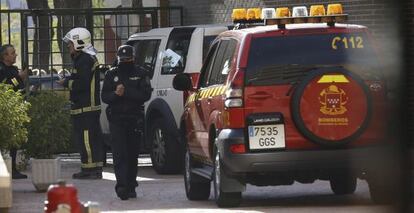
Six people were being kept in isolation at Carlos III Hospital in Madrid on Wednesday night as health authorities sought to contain the spread of the Ebola virus that has infected nursing assistant Teresa Romero, the first person to contract the disease outside of Africa.
The latest patients to be admitted were the two doctors who treated Romero in Alcorcón before she was transferred to an isolation unit at Carlos III. They arrived at the center on Wednesday night as a preventive measure, healthcare sources reported.
One of them is Juan Manuel Parra, a doctor attached to Alcorcón Hospital’s emergency unit, who has already filed a report to his superiors explaining how he spent 16 hours treating Romero without adequate protection.
The other medic is the primary care doctor whom Romero visited on September 30.
In addition, another nurse from the team who treated the two Ebola-infected missionaries repatriated from Liberia and Sierra Leone, Miguel Pajares and Manuel García Viejo, was also admitted to Carlos III on Wednesday to be tested for the virus.
Two people under observation have now been discharged from the hospital after testing negative for Ebola in their second test on Wednesday. They are a nurse from the medical team who treated the missionaries and a Spanish engineer recently returned from Nigeria.
Neither of the two doctors most recently admitted have shown any signs that they might be infected but have been isolated in the observation floor containing those who had close contact with the virus as a preventive measure. It is the same floor where Romero’s husband, who has also shown no symptoms, is also staying.
The other people there are Romero herself and another nurse who treated García Viejo, who is waiting to be tested for the virus.









































