Do Kwon, wanted in $40B crypto crash, arrested in Montenegro
South Korea asked Interpol in September to circulate a “red notice” for the 31-year-old Kwon across the agency’s 195 member nations to find and apprehend him
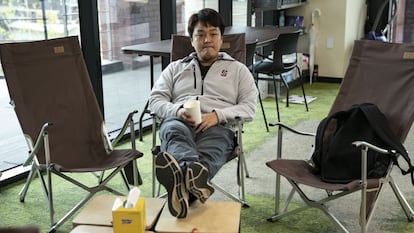
Police in Montenegro have arrested Terraform Labs founder Do Kwon, who is wanted in South Korea in connection with a $40 billion crash of the firm’s cryptocurrency that devastated retail investors around the world, the European country’s interior minister said Thursday.
“Montenegrin police arrested an individual who is believed to be one of the most wanted fugitives, South Korean citizen Do Kwon,” Interior Minister Filip Adzic said on Twitter. South Korea’s Justice Ministry on Friday confirmed the arrest of Kwon and another unidentified individual linked to the cryptocurrency crash and said it will proceed with steps to extradite them to South Korea. Both South Korea and Montenegro are signees to the European Convention on Extradition.
South Korea asked Interpol in September to circulate a “red notice” for the 31-year-old Kwon across the agency’s 195 member nations to find and apprehend him.
Kwon and the other man had been hiding in Serbia but moved to Montenegro after South Korean investigators tracked their whereabouts and asked Serbian authorities to detain them, the ministry said. The men were arrested at Montenegro’s Podgorica Airport while trying to depart for Dubai using fake Costa Rican passports, the ministry said.
Kwon and five others connected to Terraform are wanted because of allegations of fraud and financial crimes in relation to the implosion of its digital currencies in May 2022.
TerraUSD was designed as a “stablecoin,” which are pegged to stable assets like the U.S. dollar to prevent drastic fluctuations in prices. However, around $40 billion in market value was erased for the holders of TerraUSD and its floating sister currency, Luna, after the stablecoin plunged far below its $1 peg in May.

Tu suscripción se está usando en otro dispositivo
¿Quieres añadir otro usuario a tu suscripción?
Si continúas leyendo en este dispositivo, no se podrá leer en el otro.

FlechaTu suscripción se está usando en otro dispositivo y solo puedes acceder a EL PAÍS desde un dispositivo a la vez.
Si quieres compartir tu cuenta, cambia tu suscripción a la modalidad Premium, así podrás añadir otro usuario. Cada uno accederá con su propia cuenta de email, lo que os permitirá personalizar vuestra experiencia en EL PAÍS.
¿Tienes una suscripción de empresa? Accede aquí para contratar más cuentas.
En el caso de no saber quién está usando tu cuenta, te recomendamos cambiar tu contraseña aquí.
Si decides continuar compartiendo tu cuenta, este mensaje se mostrará en tu dispositivo y en el de la otra persona que está usando tu cuenta de forma indefinida, afectando a tu experiencia de lectura. Puedes consultar aquí los términos y condiciones de la suscripción digital.
More information
Archived In
Últimas noticias
The day the creator of Tetris met the inventor of the Rubik’s Cube: ‘We have to look for entertainment that challenges us’
North Korea, the latest stage in the Russian indoctrination of Ukrainian children
Tori Dunlap: ‘Talking about money is one of the most subversive things you can do’
The Colombian who was imprisoned in El Salvador on Trump’s orders: ‘Being tortured for four months when you’re innocent is a nightmare’
Most viewed
- The number of international tourists going to the US is decreasing, with one exception: Mexico
- A mountaineer, accused of manslaughter for the death of his partner during a climb: He silenced his phone and refused a helicopter rescue
- Belle da Costa, the woman who concealed her origins in 1905 and ended up running New York’s most legendary library
- Cartels in Mexico take a leap forward with narco-drones: ‘It is criminal groups that are leading the innovation race’
- Liset Menéndez de la Prida, neuroscientist: ‘It’s not normal to constantly seek pleasure; it’s important to be bored, to be calm’






































