
Spain’s PM buys time with very narrow budget victory in Congress
Mariano Rajoy’s minority government manages to secure approval for its 2017 spending blueprint
Spanish Congress on Wednesday passed the 2017 budget plan, providing Prime Minister Mariano Rajoy with one of the few pieces of good news he has had since his reinstatement last October.
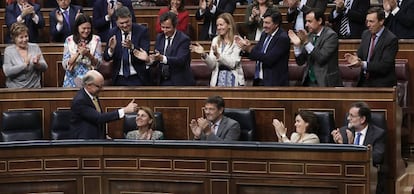
The 176 votes in favor – the minimum required in a Congress comprising 350 deputies – came from his own Popular Party (PP), from the reform party Ciudadanos, and from the small regional Basque Nationalist Party (PNV), Canaries Coalition and New Canaries.
Spain is sending out a good message of stability and confidence
PM Mariano Rajoy
The main opposition Socialist Party (PSOE), the anti-austerity group Podemos and regional pro-sovereignty parties voted against the spending blueprint.
The victory provides Rajoy’s minority government with much-needed breathing space following constant congressional setbacks, fresh cases of corruption involving PP officials, and a no confidence motion being readied by Podemos.
With this vote, Rajoy ensures his administration’s political survival for the first half of his second term in office.
“Spain is sending out a good message of stability and confidence,” said Rajoy following the debate.
The budget will now move to the Senate floor, where the PP enjoys a comfortable majority. If amendments are introduced it will return to Congress for ratification, but Wednesday’s vote has already ensured passage in parliament.
The spending pie
Keeping the Spanish state up and running will cost nearly €320 billion by the end of 2017. Social protection – pensions, unemployment and other forms of welfare – represents the biggest expense at over €179 billion, followed by transfers to local and regional governments and to EU agencies (over €48 billion), and paying back Spain's ballooning debt (over €32 billion). Healthcare gets €8.2 billion (most health management is devolved to regional governments) and defense gets €7.5 billion.
English version by Susana Urra.









































