Argentina and debt-holders fight it out in US courts
Credit downgrade suggests country could find itself in default again
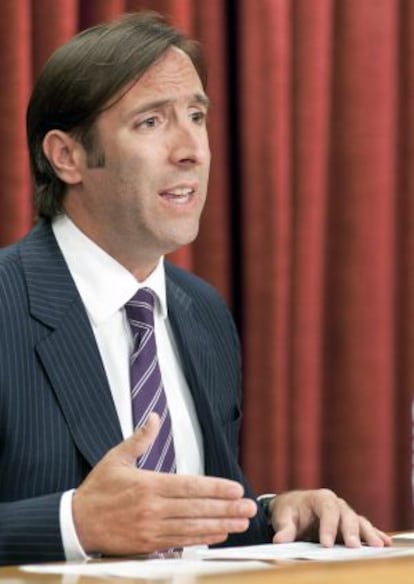
Fitch on Tuesday downgraded Argentina's credit rating to CC from B, a five-step cut suggesting that the country could probably find itself in default once again after a US federal judge ordered the Buenos Aires government to make a $1.3-billion payment to so-called holdout investors who purchased debt from the country's historic 2002 default.
The government of President Cristina Fernández de Kirchner on Tuesday filed an appeal with the US Second Circuit Court of Appeals against the order issued by US District Court Judge Thomas Griesa of New York. Griesa said that Argentina must deposit the money in escrow as a guarantee to the holdout investors by December 15.
In its appeal, Argentina claims that it cannot legally offer a better deal to the holdout investors, who want their money under the 2002 terms, against those who agreed to the restructurings. A larger bond holders group agreed to two rounds of debt restructurings that took place in 2005 and 2010, in which Argentina issued new bonds at steep discounts. Economy Minister Hernán Lorenzino has said that paying holdout investors could easily condemn the country to a second default.
The case being fought out in the US federal courts is also attracting some big legal names. Former US Solicitor General Theodore Olson, who represented President George W. Bush in the re-election recount in Florida in 2000, is representing the holdout investors led by Elliott Management's NML Capital Ltd. The asset fund sought and obtained a court order for the confiscation of an Argentinean navy vessel, which has been held in a port in Ghana since October 2.
David Boies, who led the Justice Department fight that sought Microsoft's breakup and represented New York Yankees owner George Steinbrenner in a suit against Major League Baseball, is taking the case for the opposing group of investors.

Tu suscripción se está usando en otro dispositivo
¿Quieres añadir otro usuario a tu suscripción?
Si continúas leyendo en este dispositivo, no se podrá leer en el otro.
FlechaTu suscripción se está usando en otro dispositivo y solo puedes acceder a EL PAÍS desde un dispositivo a la vez.
Si quieres compartir tu cuenta, cambia tu suscripción a la modalidad Premium, así podrás añadir otro usuario. Cada uno accederá con su propia cuenta de email, lo que os permitirá personalizar vuestra experiencia en EL PAÍS.
¿Tienes una suscripción de empresa? Accede aquí para contratar más cuentas.

En el caso de no saber quién está usando tu cuenta, te recomendamos cambiar tu contraseña aquí.

Si decides continuar compartiendo tu cuenta, este mensaje se mostrará en tu dispositivo y en el de la otra persona que está usando tu cuenta de forma indefinida, afectando a tu experiencia de lectura. Puedes consultar aquí los términos y condiciones de la suscripción digital.
Últimas noticias
All the effects of gentrification in one corner of Mexico’s Colonia Roma
Palestinian reporter Youmna El Sayed: ‘My family told me I had to choose between being a journalist or a mother’
The new language of the workplace: Knowing how to ask AI questions is more important than using it
Russell Tovey: ‘I was advised many times not to come out, I don’t think there was many people who’d done that — and I feel really proud that I’m one of those that did’
Most viewed
- The low-cost creative revolution: How technology is making art accessible to everyone
- Families demand repatriation of bodies of Colombians who died in Ukraine: ‘This war is a slaughterhouse for foreigners’
- Christian Louboutin: ‘Young people don’t want to be like their parents. And if their parents wear sneakers, they’re going to look for something else’
- US sanctions against jailed cartel leader ‘El Marro’ highlight Mexico’s lack of control over its prisons
- Liset Menéndez de la Prida, neuroscientist: ‘It’s not normal to constantly seek pleasure; it’s important to be bored, to be calm’





































